

Choosing the right stethoscope is one of the most consequential equipment decisions an EMS or paramedic student will make before entering clinical training.
The littmann lightweight ii se and the littmann classic iii are two of the most trusted options available to students at this stage, each built to meet distinct needs within the same training environment.
Both stethoscopes come from a manufacturer with a long-standing reputation for acoustic precision, and understanding what separates them helps students invest in an instrument that genuinely fits their program requirements.
The differences between the two models go beyond surface-level specs and touch on chestpiece construction, acoustic sensitivity, and the kind of patient assessments each tool is designed to support.
What Makes a Stethoscope Right for EMS Training
EMS training places specific demands on diagnostic emt tools, and the stethoscope a student chooses will directly shape the quality of their clinical practice from day one.
A reliable stethoscope needs to perform consistently across assessment scenarios that range from quiet exam rooms to the back of a moving ambulance.
The right instrument balances acoustic sensitivity, physical comfort, and durability in a way that supports learning rather than getting in the way of it.
Students who invest in a well-matched instrument tend to develop auscultation skills more confidently because they are not fighting against poor sound transmission or uncomfortable fit.
MedTechKits: Equipping the Next Generation of EMTs
MedTechKits was built around a straightforward mission: to make sure every EMS and paramedic student has access to the right medkit equipment before they step into clinical training.
The brand sources and supplies tools that are matched to the real demands of EMS education, from foundational assessment gear to instruments used by working professionals in the field.
Every product in the MedTechKits catalog is selected with the student’s training environment in mind rather than pulled from a generic medical supply list.
Littmann Lightweight II SE: Built for Mobility and Comfort
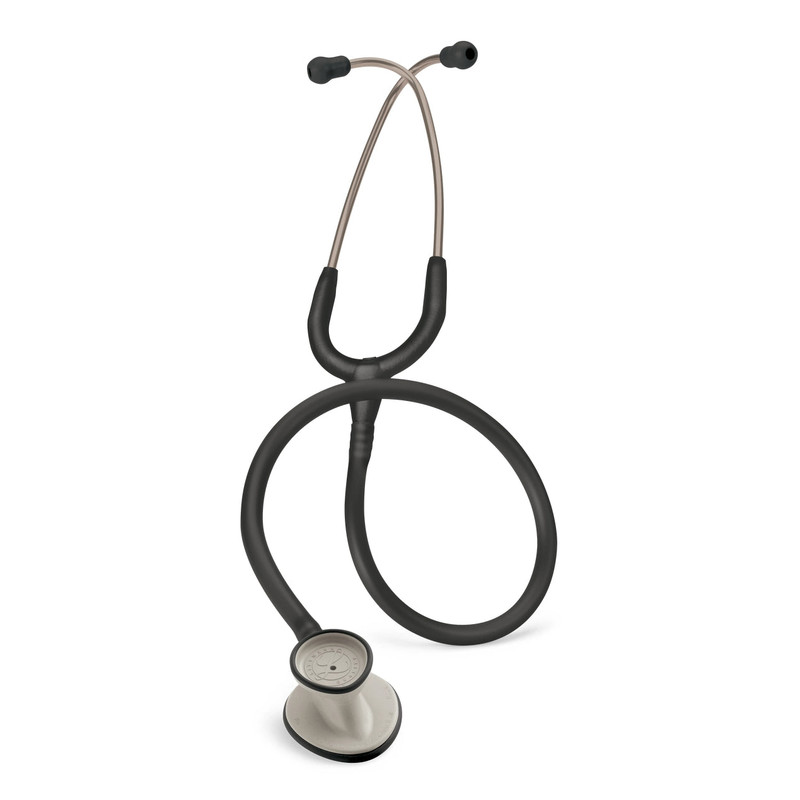
The littmann lightweight ii se stethoscope, available through MedTechKits, is among the lightest adult stethoscopes in the Littmann lineup, weighing approximately 4.2 ounces with an overall length of around 28 inches.
Its teardrop-shaped chestpiece was designed specifically for easy positioning under blood pressure cuffs and bandages, which is a practical advantage during patient assessments that require speed and precision.
The adjustable headset accommodates a wide range of head sizes and the tubing holds its shape without stiffening.
Comfort is one of the defining strengths of this stethoscope, and it shows in both the physical design and the small details that accumulate over a full shift.
The snap-tight soft-sealing eartips come in two sizes and create a consistent acoustic seal without causing ear fatigue during extended use.
Littmann Classic III: Acoustic Performance at a Higher Level
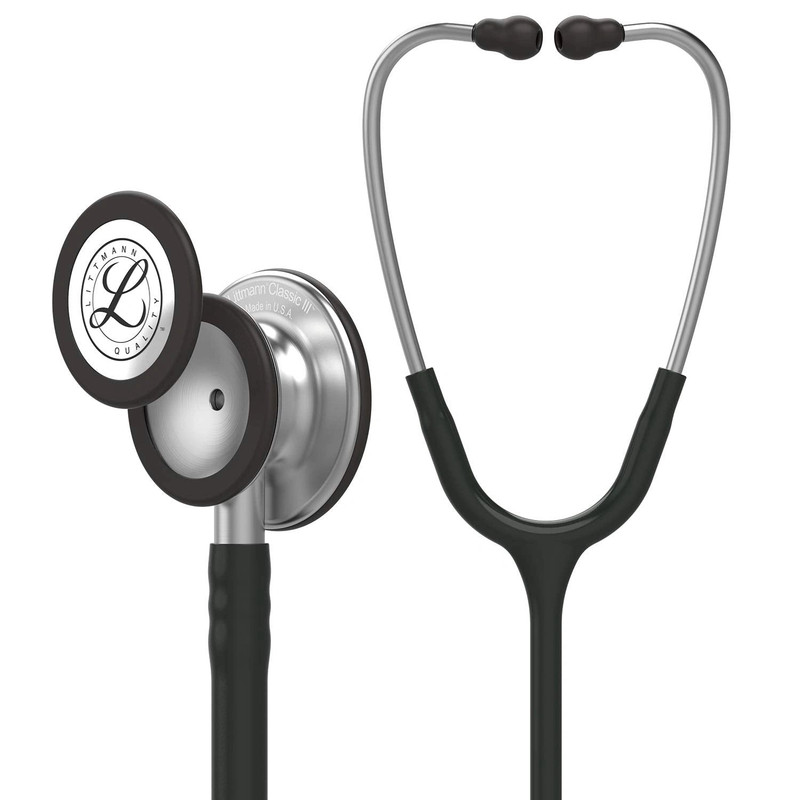
The littmann classic iii is built around acoustic precision, featuring a precision-machined stainless steel chestpiece that captures sound with greater sensitivity than many comparable instruments in this category.
It weighs approximately 5.3 ounces and sits at 27 inches in overall length. The tunable diaphragms on both the adult and pediatric sides allow clinicians to shift between low and high frequency sounds simply by adjusting the pressure applied to the chestpiece.
Its tubing is made from next-generation PVC that resists skin oils and alcohol, ensuring the instrument maintains its integrity through repeated cleaning cycles common in training environments.
Chestpiece Design and What It Means in the Field
The chestpiece is the most functionally critical component of any stethoscope because it determines how well sound is captured before it travels through the tubing to the clinician’s ears.
The littmann lightweight ii se uses a dual-sided tunable diaphragm in a metal and resin composite chestpiece that is lightweight without sacrificing reliable acoustic pickup.
The teardrop shape of the chestpiece was engineered to navigate physical obstacles during assessment, which is a detail that carries real practical weight in prehospital settings.
The littmann classic iii takes chestpiece design a step further with a precision-machined stainless steel construction that elevates acoustic sensitivity on both the adult and pediatric sides.
Tubing, Materials, and Durability Compared
The materials used in a stethoscope’s construction determine how well it holds up through the physical demands of daily training, repeated cleaning, and exposure to the conditions common in clinical environments.
Both the littmann lightweight ii se and the littmann classic iii use next-generation PVC tubing that is free of phthalate plasticizers and latex, which matters for students with sensitivities and for facilities with strict materials policies.
The lightweight ii se uses a metal and resin composite construction that prioritizes portability, while the classic iii uses precision-machined stainless steel that adds slight weight but delivers enhanced sound transmission.
Which Students Benefit Most from the Lightweight II SE
The littmann lightweight ii se is particularly well-suited to students who are entering EMS or clinical training for the first time and need a reliable instrument that does not overwhelm them with unnecessary complexity.
Its straightforward single-sided tunable diaphragm design means that students can focus on learning proper auscultation technique without having to manage multiple chestpiece functions simultaneously.
Students working as CNAs, medical assistants, LPNs, or LVNs will also find that the lightweight ii se fits naturally into workflows that prioritize quick, accurate adult patient assessments in structured care environments.
Which Students Benefit Most from the Classic III
The littmann classic iii is the stronger fit for paramedic students, advanced EMT students, and those entering nursing or clinical programs where acoustic versatility is tested regularly.
Its ability to assess both adult and pediatric patients through a single instrument reduces the need for multiple tools during assessments that shift across patient demographics.
Students who encounter cardiac, respiratory, and blood pressure assessments in rapid succession, often while simultaneously managing a lifepak simulator during advanced cardiac life support scenarios, will appreciate the speed and accuracy that the classic iii’s tunable diaphragm system enables.
Color Options and Personalization Across Both Models
The lightweight ii se is available in black, burgundy, caribbean blue, ciel blue, and pearl pink, giving students enough variety to express personal preference while keeping the selection focused and practical.
The classic iii offers a considerably wider personalization range, spanning standard tube colors including black, burgundy, navy blue, lavender, plum, turquoise, raspberry, and lemon lime, alongside special finish chestpiece options such as black matte, smoke, champagne, rainbow, copper, and mirror.
Frequently Asked Questions
Q1. Does the littmann classic iii require any technique adjustment when switching between the adult and pediatric sides?
Switching between sides does require the user to rotate the chestpiece and reposition it against the patient, which takes a small amount of practice to do smoothly during a live assessment. The open bell conversion on the pediatric side also requires replacing the diaphragm with a non-chill sleeve.
Q2. How often should EMS students clean their stethoscope tubing and chestpiece?
Both models should be wiped down after every patient contact using a 70 percent isopropyl alcohol wipe on the chestpiece and diaphragm. The tubing on both the lightweight ii se and the classic iii is formulated to resist degradation from alcohol and skin oils.
Q3. Will the classic iii’s stainless steel chestpiece feel cold against a patient’s skin during winter field calls?
The classic iii features a non-chill rim and diaphragm designed to minimise patient discomfort during contact, which helps in cold environments. However, a stainless steel chestpiece exposed to very low temperatures for an extended period will still carry some ambient cold before the non-chill materials take effect.
Q4. Can either stethoscope be used for blood pressure auscultation during EMT skills testing?
Both the lightweight ii se and classic iii are ideal for the auscultated blood pressure assessments required in EMT and paramedic exams. However, the lightweight stethoscope’s teardrop chestpiece easily slides under a blood pressure cuff, a distinct advantage during timed skills evaluations.
Resources for EMT and Paramedic Training
1. The EMS Backpack Designed to Survive Daily Clinical Rotations
2. How Waterproof Notepad Improves Documentation in the Field